 Eterna — Packaging the Future
 Automotive Parts Manufacturer Chooses EternaPack Foam Bags After Multi-Supplier Testing
In automotive manufacturing, packaging is not the part that gets the most attention.
Engines, electrónicos, sensors, body components, and lighting systems receive endless hours of engineering and testing. Packaging often comes later. Yet once a finished automotive component leaves the factory, the packaging becomes its first line of defense.
That is especially true for automotive headlights.
A headlight may look solid, but its lens, housing, mounting points, componentes electrónicos, and surface finish can all be vulnerable during transportation. One impact in the wrong place can turn a perfectly manufactured component into a costly claim.
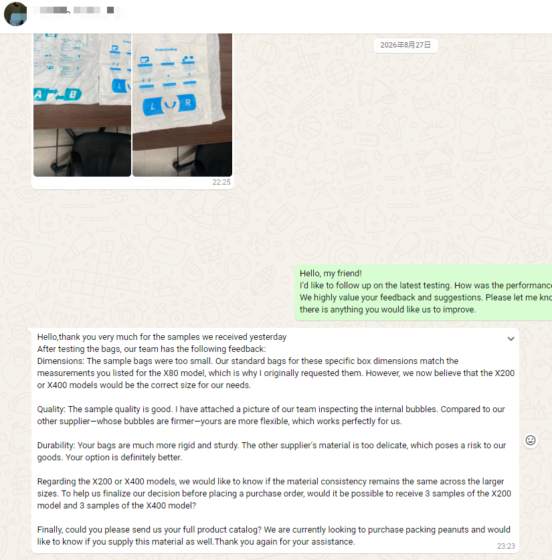
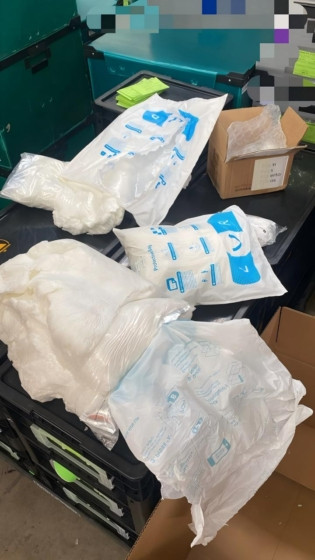
Recently, an international automotive parts manufacturer faced exactly this challenge. Rather than simply choosing a supplier based on brand recognition or price, the company conducted a multi-supplier comparison test for foam packaging bags.
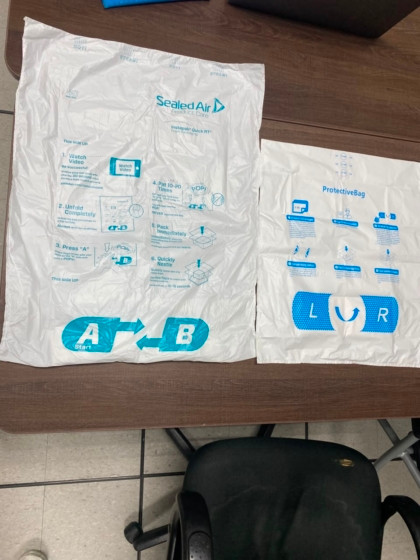
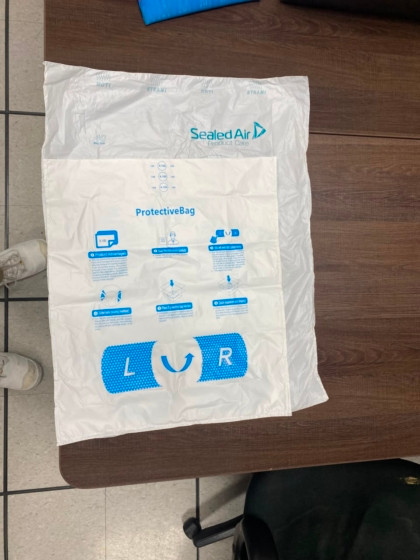
Several suppliers were evaluated, including well-known international packaging brands such as Sealed Air.
And after testing, the customer ultimately selected EternaPack foam bags.
Why?
The answer came down to three things: better foaming performance, tougher material, and better overall cost-effectiveness.
The Automotive Packaging Challenge
Why Automotive Headlights Need Serious Protection
Automotive headlights are not ordinary products.
Their shapes can be large, curved, asymmetric, and difficult to package with simple rectangular cushioning. At the same time, their external surfaces need to remain free from scratches, cracks, deformation, and other transportation damage.
Think of a headlight as a carefully engineered glass-and-electronics package. It needs support, but not excessive pressure. It needs cushioning, but the cushioning must stay where it is supposed to be.
That creates a packaging question:
How do you protect a complex automotive component without dramatically increasing packaging cost, mano de obra, or package size?
This is where expanding foam bags can become an attractive solution.
The Cost of Packaging Failure
For a large automotive manufacturer, packaging damage is rarely just about replacing one damaged product.
There can be additional transportation costs, inspection costs, customer complaints, production delays, returns, repacking, and even damage to the supplier relationship.
In other words, a few cents saved on packaging can become very expensive if the packaging does not perform.
That is why professional automotive manufacturers increasingly look beyond the purchase price of packaging materials.
They want measurable performance.
Why Foam Bags Were Considered
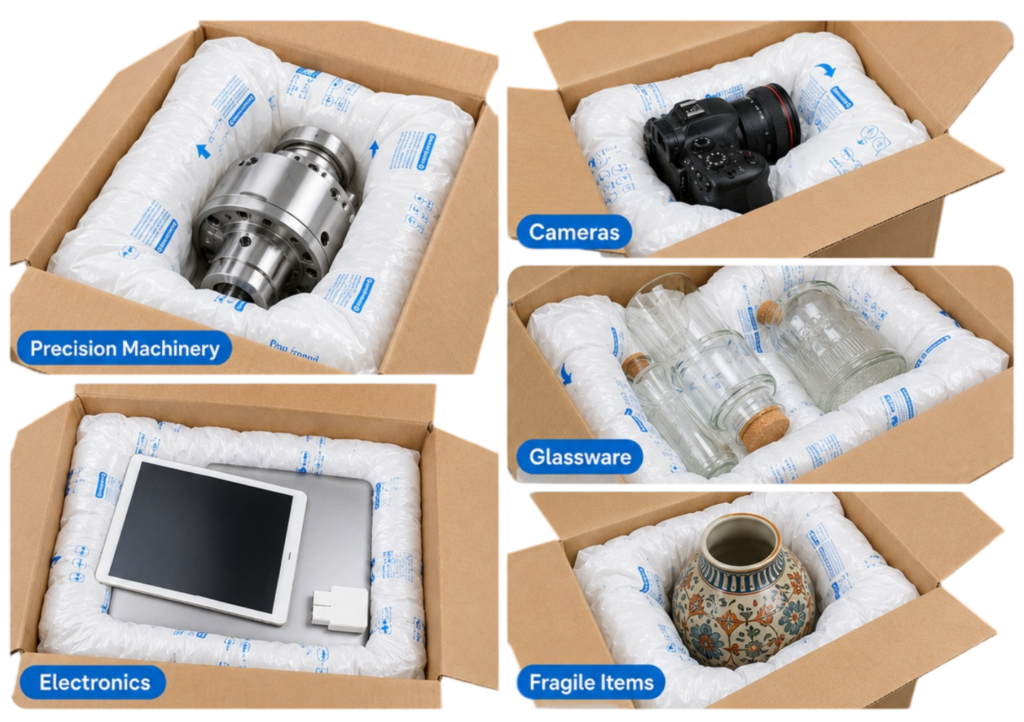
Expanding Foam Creates Customized Cushioning
Foam packaging bags work differently from many conventional cushioning materials.
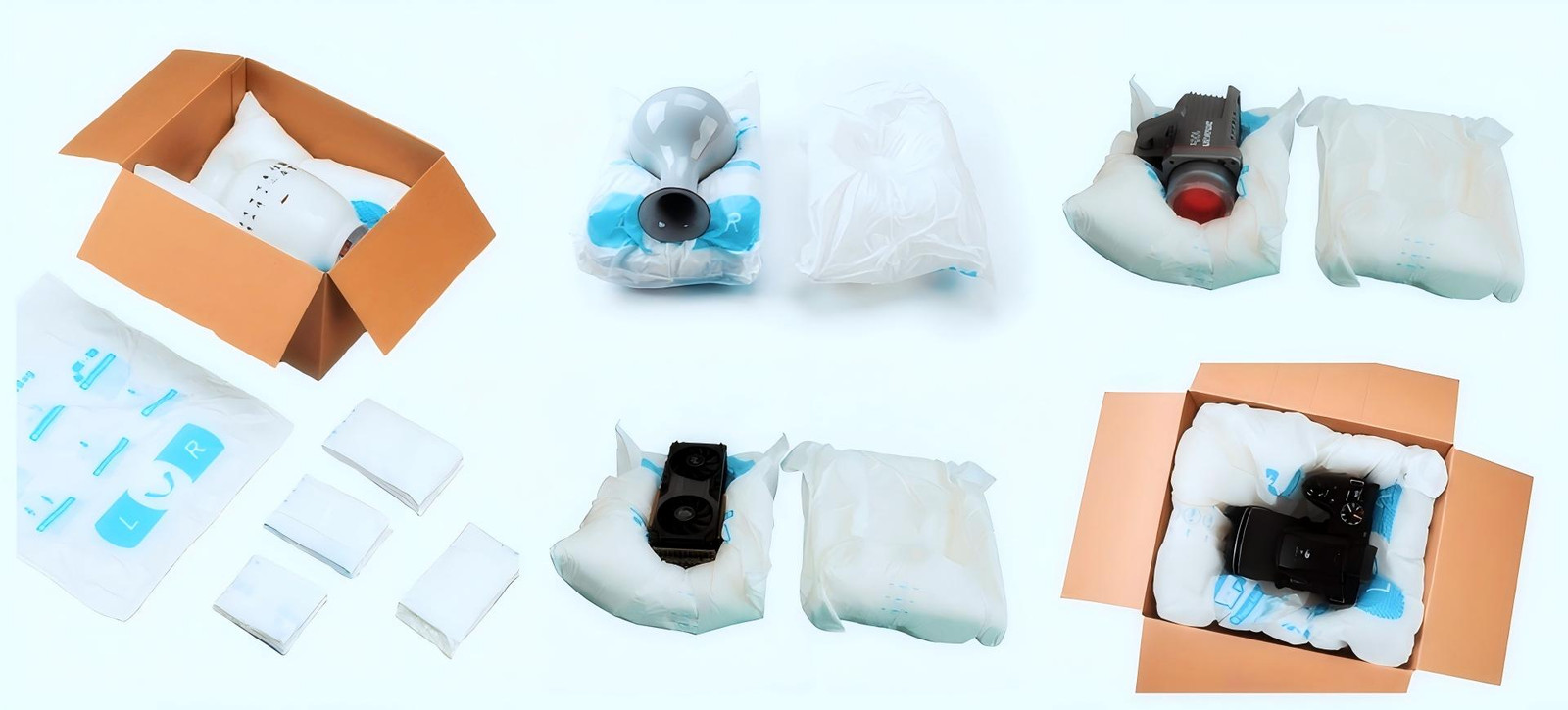
The foam-forming material expands inside the bag and creates a protective cushion around the product. Instead of simply placing a standard-size piece of material around an object, the packaging can conform more closely to the product’s shape.
For automotive headlights, this can be particularly useful.
A headlight is rarely a perfect box. Its curves and protruding sections create empty spaces inside a conventional carton. Foam can fill some of those spaces while helping stabilize the product.
One Package, Multiple Protection Functions
A well-designed foam bag can help provide several functions at once:
- Cushioning against impact
- Reducing product movement
- Supporting irregular shapes
- Separating the product from the carton
- Helping reduce surface contact with hard packaging materials
It is almost like giving the product a custom-made protective jacket.
And for manufacturers shipping thousands of automotive components, that can make a significant difference.
A Multi-Supplier Foam Packaging Test
Why the Customer Did Not Choose the First Supplier
The automotive manufacturer did not simply ask one supplier for a quotation and place an order.
Instead, the company compared products from multiple suppliers.
This is an important distinction.
For industrial packaging, a supplier may have an impressive catalog, a strong international reputation, or an attractive price. But none of those factors alone proves that the product is the right solution for a specific application.
The customer’s testing process therefore focused on actual packaging performance.
Among the suppliers evaluated were international packaging companies, including Sealed Air, giving the comparison a particularly competitive benchmark.
Performance Had to Speak for Itself
When several products are tested under the same application conditions, marketing becomes less important.
The foam has to expand.
The material has to hold together.
The product has to remain protected.
And the packaging cost has to make commercial sense.
That is exactly the kind of environment in which a factory-direct packaging manufacturer has an opportunity to compete.
What Did the Automotive Manufacturer Test?
Foaming Performance
One of the most important evaluation points was the foam’s expansion performance.
Foam packaging is not simply about producing “more foam.” What matters is how effectively the material expands and forms the protective structure required for the product.
If expansion is inconsistent, protection can become inconsistent as well.
A good foam packaging system should provide sufficient expansion while creating useful cushioning around the component.
Material Toughness
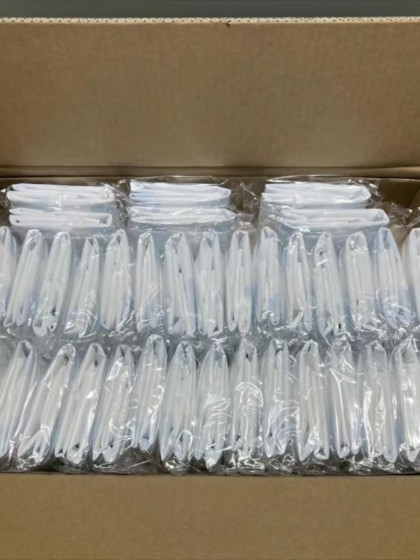
The second major factor was material toughness.
This is easy to underestimate.
A foam bag can look perfectly acceptable when sitting on a table. But packaging does not spend its life sitting on a table.
It is handled, moved, stacked, loaded, unloaded, transported, and sometimes handled again.
The packaging material therefore needs enough toughness and flexibility to tolerate practical handling conditions.
Why Flexibility Matters
Imagine trying to protect a complicated object with a paper-thin shell.
It may look fine initially, but one sharp edge or excessive movement could compromise the protection.
A tougher foam bag behaves differently. Its flexibility allows it to accommodate movement while maintaining the protective barrier around the product.
For automotive headlights, that extra toughness can be particularly valuable around corners, edges, and irregular structures.
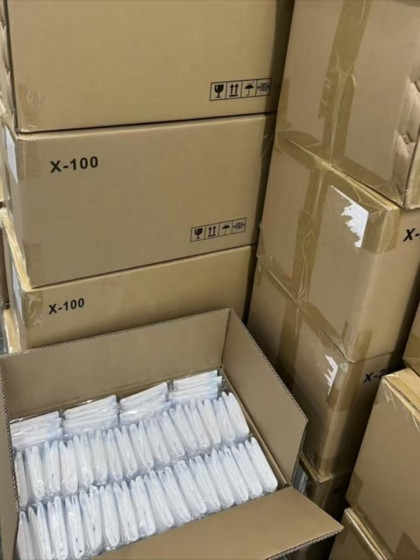
Better Expansion Means Better Protection
Consistent Foam Coverage Around Complex Shapes
Automotive lighting products often have complicated geometries.
There may be curved lenses, mounting structures, corners, componentes electrónicos, and other areas requiring different levels of support.
This is where foam expansion quality becomes important.
When the foam forms effectively around the product, it can create a more stable protective environment inside the carton.
Instead of the product rattling around inside a large empty box, the cushioning helps hold it in position.
That difference may sound small.
In real transportation conditions, it can be enormous.
Protection Is About Movement, Not Just Impact
People often think packaging protection means stopping a single large impact.
In reality, products experience countless smaller movements during transportation.
A carton may vibrate on a truck.
It may be moved by a conveyor.
It may experience sudden acceleration or deceleration.
It may be stacked with other cartons.
The goal of protective packaging is therefore not merely to absorb one dramatic impact. It is also to manage the repeated movement that happens throughout the logistics process.
Material Toughness Matters More Than Appearance
A Stronger Packaging Material Can Deliver More Confidence
During the comparison, material toughness became another important advantage of the EternaPack foam bags.
Better toughness means the packaging material can better tolerate normal handling without easily tearing or losing its protective function.
This matters particularly when workers need to insert, adjust, remove, or reposition the foam bag around the product.
Packaging should make the operator’s job easier—not create another problem.
Good Packaging Has to Work on the Factory Floor
This is where laboratory performance and practical performance meet.
A packaging material might perform well in a controlled test but become frustrating when hundreds or thousands of products have to be packed every day.
Industrial packaging needs to be:
- Protective
- Consistent
- Practical
- Easy to handle
- Cost-effective
The EternaPack foam bags performed well across these considerations.
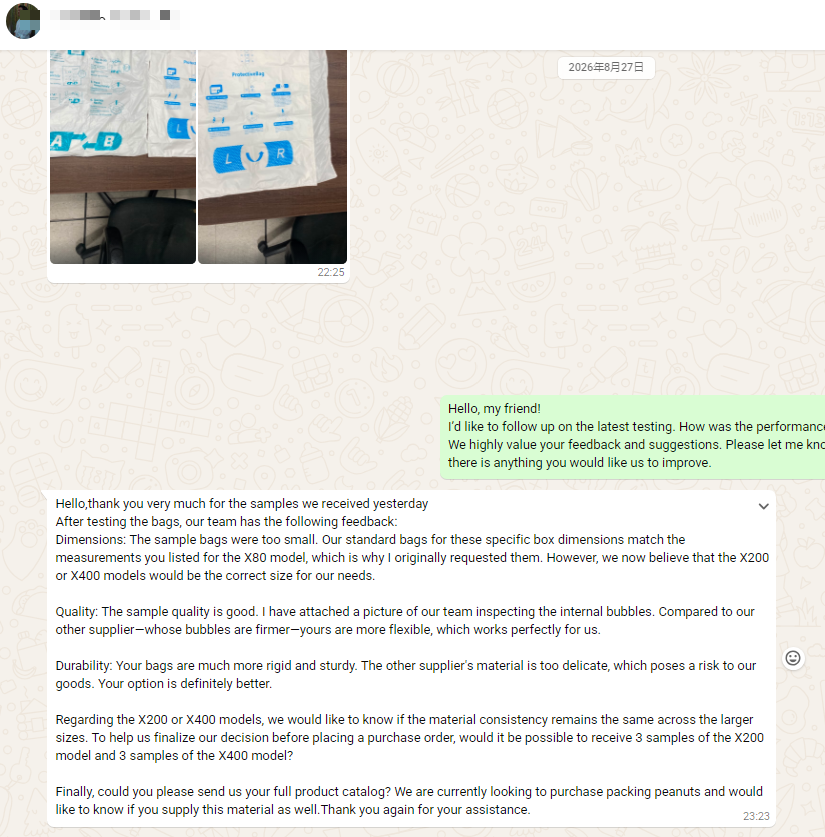 Why EternaPack Was Selected
Better Foaming Performance
The first major advantage was the foam-forming performance.
The customer found that the EternaPack solution delivered the expansion characteristics needed for the application, helping create effective cushioning around the automotive headlights.
That gave the packaging a stronger functional advantage rather than simply a visual one.
Better Material Toughness
The second advantage was material quality.
The toughness and flexibility of the foam bag material provided a more reliable protective structure during handling and transportation.
For a product such as an automotive headlight, that extra resilience matters.
Higher Cost-Effectiveness
Then came the commercial question.
Even if two packaging solutions can both protect a product, the better choice is not necessarily the one with the lowest unit price.
The real question is:
Which solution delivers the best protection for the total packaging investment?
EternaPack offered a strong balance between performance and price.
The customer was therefore able to obtain the required protection while achieving better overall cost-effectiveness.
That combination ultimately helped EternaPack win the comparison.
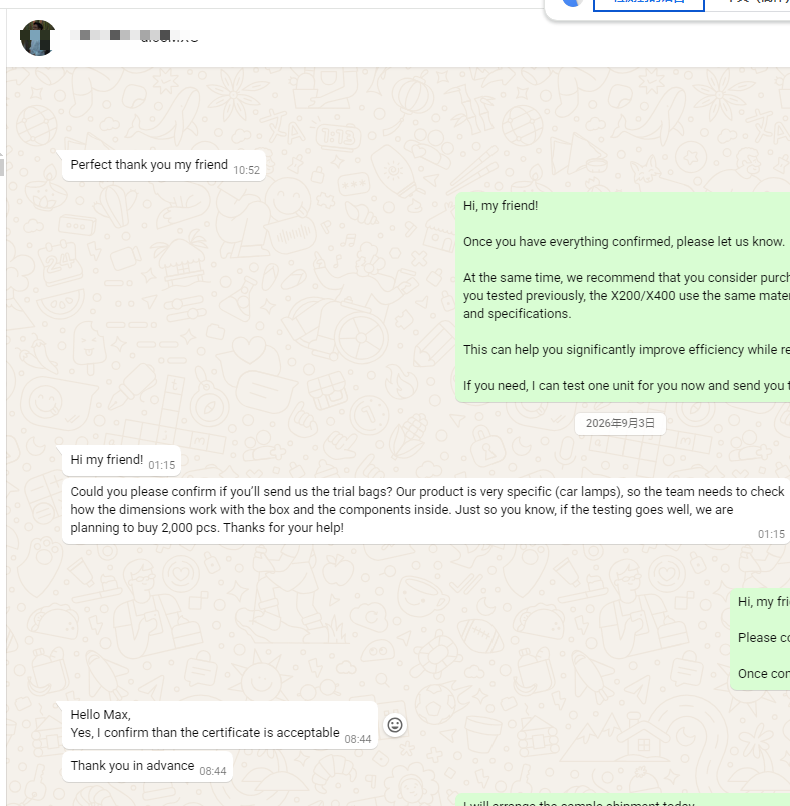 Why Brand Recognition Was Not Enough
International Brands Still Have to Meet Application Requirements
The comparison is especially meaningful because established international packaging brands were part of the evaluation.
This does not mean that large packaging brands are incapable of producing excellent solutions. Quite the opposite—they have built strong reputations for good reasons.
But industrial packaging is application-specific.
A product that performs perfectly for one customer may not necessarily be the most suitable solution for another.
The automotive manufacturer was not looking for the most famous name.
It was looking for the best-performing solution for its headlights.
And that distinction is important for every industrial buyer.
From Supplier Comparison to Automotive Packaging Partnership
Testing Creates Confidence
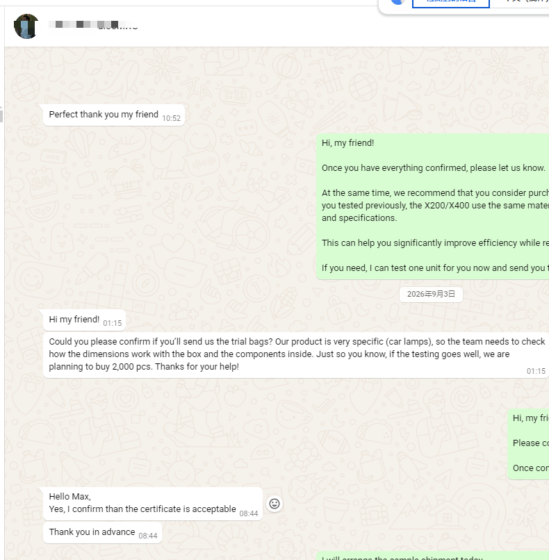
For B2B buyers, samples and testing are powerful because they turn claims into evidence.
Instead of asking:
“Is this foam bag good?”
the customer can ask much better questions:
- How well does it expand?
- How consistent is the foam?
- How tough is the material?
- Does it protect the product?
- Is it easy to use?
- What is the total packaging cost?
Those questions create a much clearer purchasing decision.
Why Factory-Direct Supply Can Matter
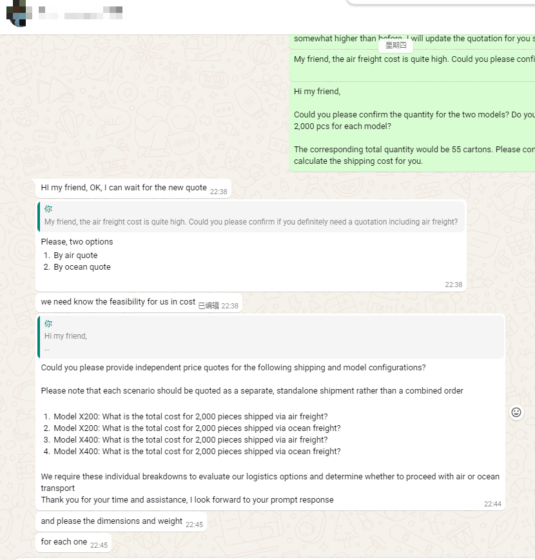
EternaPack focuses on B2B customers and factory-direct supply.
For industrial buyers, this model can offer several advantages, including direct communication with the manufacturer, faster technical feedback, product customization discussions, and closer coordination between packaging requirements and production.
For automotive customers, this direct connection can be especially valuable.
Packaging requirements can change.
Product dimensions can change.
Production volumes can change.
A direct relationship allows both sides to respond more efficiently.
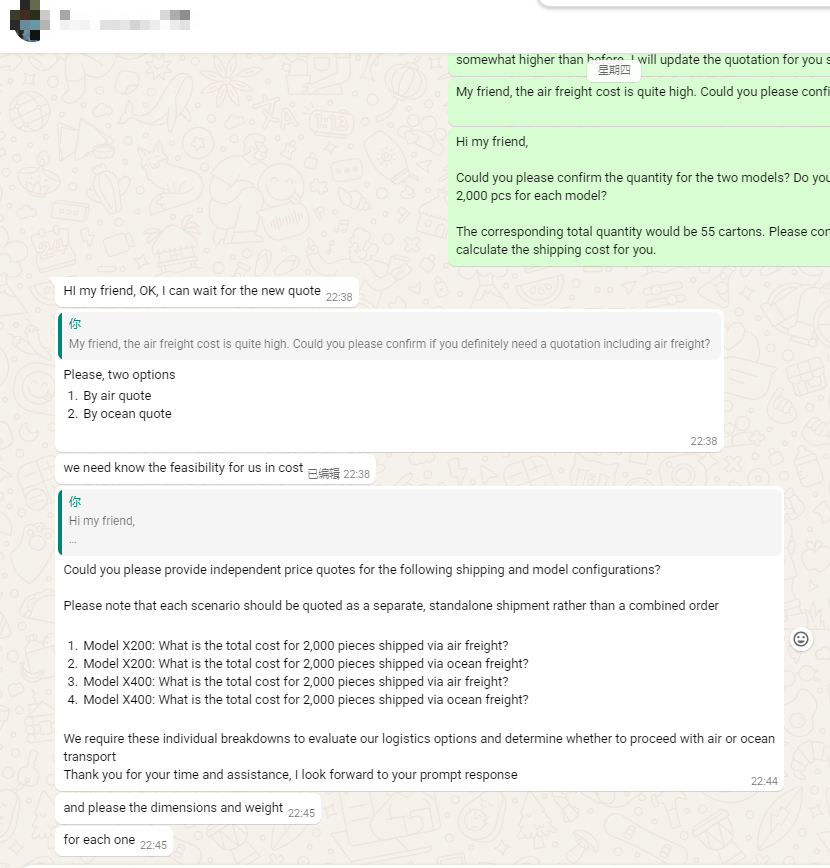 What This Case Tells Us About Automotive Packaging
The Best Packaging Is Not Always the Most Expensive
Industrial buyers sometimes assume that premium protection must automatically mean premium pricing.
Not necessarily.
The goal should be to find the point where protection, material quality, operational efficiency, and cost intersect.
That is where real value exists.
The EternaPack case demonstrates this principle clearly: the winning solution was not selected simply because it was cheaper.
It was selected because it delivered better foaming performance, stronger material toughness, effective protection, and competitive cost.
Testing Beats Assumptions
Would you buy a critical automotive component based only on a supplier’s brochure?
Probably not.
Then why should protective packaging be different?
For important applications, testing is the shortest path between marketing claims and actual performance.
How to Choose Foam Bags for Automotive Parts
1. Start With the Product
First understand the product.
Measure its length, width, height, weight, shape, sensitive surfaces, protruding components, and likely transportation conditions.
Different products may require completely different foam packaging solutions.
2. Test the Foam Expansion
Do not judge foam bags only by their appearance before use.
Test the actual expansion and finished cushioning.
The important question is whether the expanded foam provides the protection your product needs.
3. Check Material Toughness
Pull, bend, handle, and install the packaging as it would be used in production.
Does the material remain intact?
Does it tolerate normal handling?
Does it provide enough flexibility around complex shapes?
These practical tests can reveal differences that a catalog cannot.
4. Calculate Total Cost
Finally, look beyond the price per bag.
Consider:
- Packaging consumption
- Labor
- Product damage
- Storage
- Transportation efficiency
- Replacement costs
- Supplier stability
A slightly higher packaging price can sometimes produce a much lower total cost if it significantly reduces damage.
Conversely, a very cheap package can become extremely expensive if it fails when you need it most.
 Conclusion: Performance Creates the Final Decision
The story of this international automotive parts manufacturer is a useful reminder that industrial packaging should be judged by results, not labels.
The customer compared multiple foam packaging suppliers, including major international packaging brands such as Sealed Air. After testing the products for actual application requirements, the manufacturer ultimately selected EternaPack foam bags for automotive headlight packaging.
The deciding factors were clear: better foaming performance, tougher and more resilient material, effective product protection, and higher overall cost-effectiveness.
For automotive manufacturers, that is the real meaning of a successful packaging solution.
Not the biggest brand name.
Not simply the lowest price.
But a packaging product that performs when the product is finally on the road.
 FAQ 1: Why are foam bags suitable for automotive headlights?
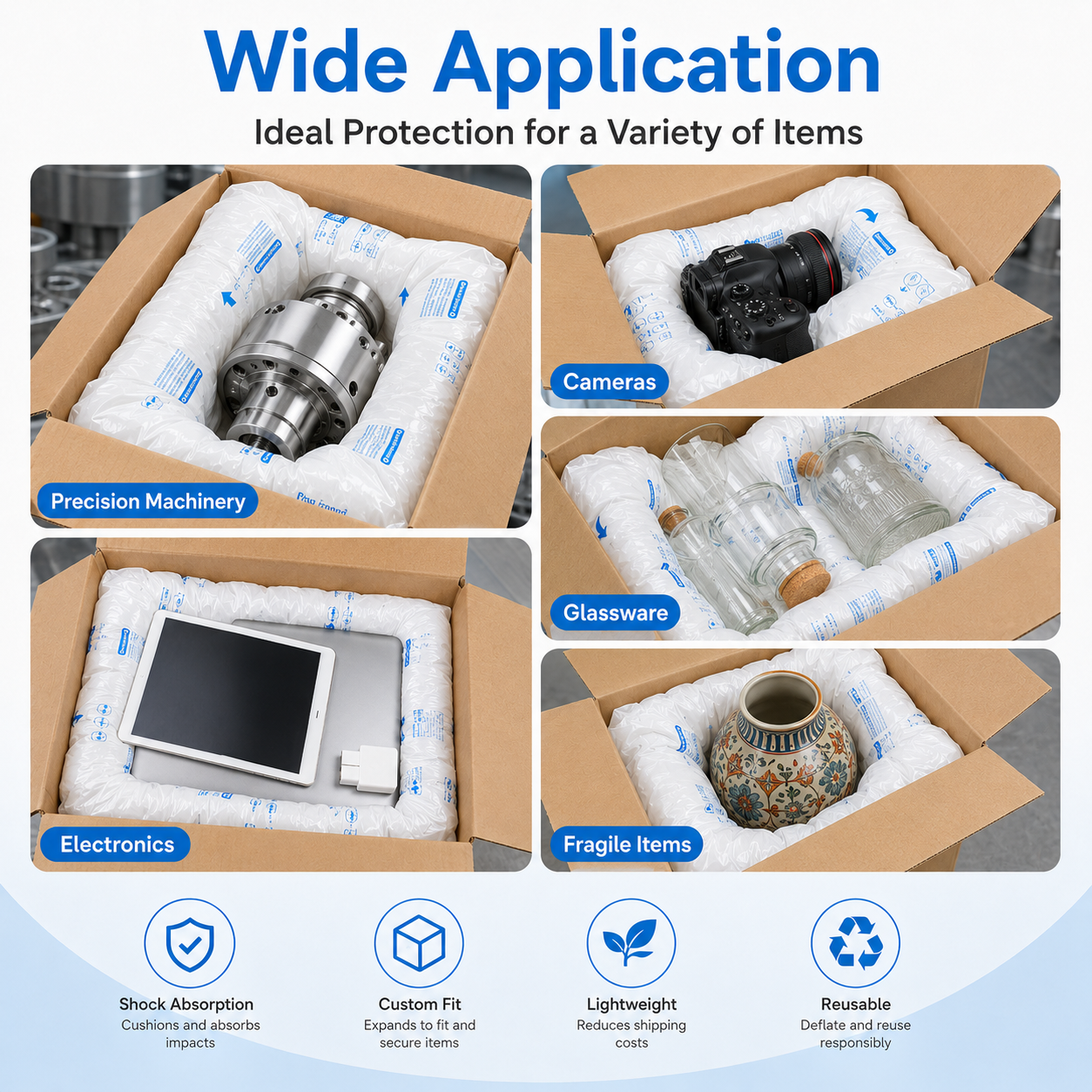
Foam bags can create cushioning around irregularly shaped products, helping reduce movement and absorb transportation impacts. This makes them suitable for applications such as automotive headlights, where surface protection and structural support are important.
FAQ 2: What should automotive manufacturers test when comparing foam bags?
Manufacturers should evaluate foam expansion, cushioning performance, material toughness, flexibility, ease of use, la eficiencia del embalaje, and total cost. Testing the actual product inside the actual carton is usually much more meaningful than comparing specifications alone.
FAQ 3: Is the cheapest foam bag always the most economical option?
No. Unit price is only one part of the total cost. A packaging solution with better protection may reduce product damage, returns, mano de obra, and replacement costs, making it more economical in the long run.
FAQ 4: Can foam bags protect complex automotive parts?
Yes. Expanding foam can conform to different product shapes and help fill gaps inside cartons. The exact foam bag specification should be selected according to the product’s dimensions, shape, weight, and protection requirements.
FAQ 5: Why should manufacturers conduct supplier comparison tests?
Because actual application performance can differ significantly between suppliers. A comparison test allows manufacturers to evaluate competing products under similar conditions and select the solution that provides the best combination of protection, quality, operational performance, and cost.
Contáctenos
Eternapack®(est. 2016), es una marca global enfocada en innovación en envases ecológicos.
Nuestra misión: entregar sistemas de empaque más inteligentes, más seguros, y sistemas de envasado más sostenibles para empresas en todo el mundo.
📍 China;
📧 Correo electrónico: maxeterna@outlook.com
🌐 Sitio web: eternapack.com
📞 +86-13026606051 (24/7 Soporte global)
💬 WhatsApp (en inglés): 
Conocimiento del sector – Mantente informado
Aprende más sobre las tendencias de envasado para mantenerte a la vanguardia en el sector: